
Japanese garden aesthetics, renowned for their profound harmony with nature, now extend to practical elements like garden hose holders. This exploration delves into the principles of simplicity, naturalism, and minimalism, revealing how these translate into modern hose holder design. From material selection to strategic placement, the meticulous attention to detail inherent in traditional Japanese gardens is examined, showcasing how this aesthetic can be seamlessly integrated into contemporary landscapes.
This deep dive will uncover the key elements shaping a Japanese garden hose holder. From traditional materials to modern adaptations, we will explore how form and function are interwoven to create a visually appealing and practical solution. The discussion also includes insights on color palettes, strategic placement, and the integration of natural elements, ultimately offering a comprehensive guide to achieving this captivating aesthetic.
Defining Japanese Garden Aesthetics
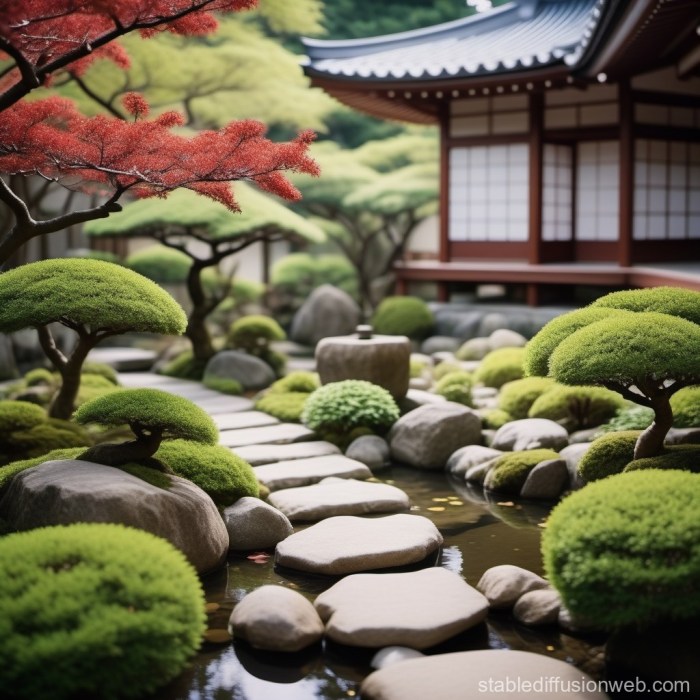
Japanese garden design, steeped in centuries of tradition, transcends mere landscaping. It’s a philosophy that embodies a deep respect for nature, emphasizing harmony, simplicity, and the beauty of natural processes. This aesthetic, with its meticulously crafted spaces, is more than just visual; it’s an experience designed to evoke tranquility and a connection with the surrounding environment. A crucial component of this philosophy is the thoughtful integration of garden accessories, such as hose holders, into the overall design.The core principles of Japanese garden aesthetics are elegantly reflected in the design of accessories.
These principles translate into a mindful selection of materials, forms, and placements that are in perfect harmony with the natural surroundings. A Japanese hose holder, for instance, wouldn’t be a jarring, obtrusive object. Instead, it would be designed to blend seamlessly into the landscape, complementing its inherent beauty, not detracting from it.
Key Principles of Japanese Garden Aesthetics
Japanese garden aesthetics are built on a foundation of simplicity, naturalism, and the creation of a tranquil atmosphere. These principles are not merely aesthetic choices but reflect a profound understanding of nature and its inherent beauty. The philosophy prioritizes understated elegance, allowing the natural elements to take center stage.
Minimalism and Natural Materials
The minimalist approach is integral to Japanese garden aesthetics. Unnecessary ornamentation is eschewed, and the design prioritizes the natural beauty of the materials. This often translates to the use of natural materials like wood, stone, and bamboo, each selected for its unique texture and natural aesthetic qualities. These materials are not just used for their inherent beauty, but for their symbolic significance, often representing different elements of nature.
A hose holder made from weathered wood, for example, would exemplify this minimalist, natural approach, harmonizing with the garden’s surroundings instead of standing out.
Traditional Design Elements
Traditional Japanese garden design often incorporates specific elements to evoke particular emotions or represent natural phenomena. These elements include:
- Water Features: Pools, streams, or waterfalls represent the constant flow of nature and the tranquility of water. The design and placement of water features in a garden are critical in conveying the desired atmosphere. In modern designs, water features can still be included, perhaps subtly integrated into a more contemporary landscape.
- Rocks and Stones: Carefully placed rocks and stones symbolize mountains and islands, grounding the garden and creating a sense of depth and mystery. Their placement and selection can be a significant design aspect, carefully chosen to align with the surrounding landscape.
- Gravel and Sand: These elements can represent water, sand, or land. Their precise arrangement often mirrors the surrounding natural landscape and is carefully planned to create a sense of space and movement. A hose holder can be integrated into this gravel or sand area in a way that respects the existing design and flow.
Modern Application in Hose Holders
The principles of simplicity and natural materials can be effectively applied to the design of a modern garden hose holder. A hose holder can be crafted from natural materials like bamboo or reclaimed wood, blending seamlessly into a contemporary Japanese garden. Its shape and design should be understated, drawing attention to the beauty of the surrounding landscape, not to the holder itself.
By employing these techniques, a hose holder can become a subtle yet integral part of the overall aesthetic.
Material Considerations for Hose Holders
Incorporating hose holders into a Japanese garden requires careful consideration of materials. The aesthetic demands a harmony between practicality and visual serenity, ensuring the holder blends seamlessly with the surrounding environment. Traditional Japanese design principles, emphasizing natural materials and understated elegance, provide a framework for creating contemporary hose holders that respect the garden’s ethos.The selection of materials for hose holders significantly impacts the overall ambiance of a Japanese garden.
Choosing materials that resonate with the garden’s natural beauty and the principles of minimalism is crucial. Materials should be durable enough to withstand the elements while maintaining a subtle presence, complementing rather than dominating the surrounding landscape.
Common Materials in Traditional Japanese Gardens
Traditional Japanese gardens favor natural, sustainable materials. Wood, stone, and bamboo are prevalent, reflecting a deep respect for nature and its inherent beauty. These materials are not only visually appealing but also contribute to the garden’s overall longevity. Their inherent textures and natural variations enhance the sense of tranquility and harmony.
Adapting Materials for Contemporary Hose Holders
Contemporary hose holders can incorporate these traditional materials in innovative ways. For instance, reclaimed or sustainably harvested wood, meticulously shaped and finished, can create holders that blend seamlessly with the garden’s design. Stone, carefully selected for its texture and color, can be incorporated into the holder’s structure, enhancing the connection to the surrounding landscape. Bamboo, with its inherent strength and elegance, can be fashioned into holders that are both visually appealing and functional.
Material Choices and Visual Impact
The visual impact of a hose holder hinges on the careful selection of materials. Materials like polished black granite or weathered gray slate can create a sense of understated sophistication. Conversely, untreated light-colored wood might evoke a more rustic and natural ambiance. The color, grain, and texture of the chosen material will play a significant role in how the hose holder integrates into the garden’s overall aesthetic.
The material’s weight and shape will also contribute to the visual balance of the space.
Examples of Materials Embodying the Japanese Aesthetic
Several materials embody the core principles of Japanese aesthetics. Japanese cedar, known for its natural beauty and durability, is an excellent choice. Its warm tones and subtle grain create a serene atmosphere. Similarly, river stones, with their unique shapes and textures, offer a connection to nature. Bamboo, with its natural strength and flexibility, can be fashioned into elegant holders.
Material Comparison Table
| Material | Visual Impact | Durability | Cost |
|---|---|---|---|
| Japanese Cedar | Warm, natural, serene | High | Medium |
| River Stone | Natural, unique textures | High | Variable |
| Bamboo | Elegant, flexible | Medium | Low |
| Polished Black Granite | Subtle, sophisticated | High | Medium-High |
| Weathered Gray Slate | Rustic, understated | High | Medium |
Form and Function of Hose Holders
Japanese garden design prioritizes harmony between humans and nature, reflecting a deep respect for the environment. Hose holders, seemingly simple accessories, become integral components of this philosophy when seamlessly integrated into the landscape. Their form and function must complement, rather than detract from, the surrounding aesthetic. This necessitates a mindful approach to material selection, considering not only the practical needs of the holder but also its visual impact.Hose holders, as with any garden tool, are not merely functional items.
Their design choices contribute to the overall atmosphere and beauty of the garden. This interplay between form and function is central to the Japanese aesthetic, emphasizing the beauty found in everyday objects and their practical application. By understanding the historical context of garden tools and accessories, modern designers can create hose holders that resonate with the spirit of traditional Japanese gardens.
Historical Context of Hose Holders
Traditional Japanese gardens often eschewed overt utility in favor of subtle integration. Tools and accessories were designed to blend seamlessly with the natural elements, minimizing their impact on the overall harmony. Hose holders, though not explicitly documented in historical texts, would have been fashioned from materials like bamboo or wood, matching the natural palette of the garden. Their design would have been carefully considered, with an emphasis on unobtrusive placement and natural materials.
This historical context highlights the importance of discretion and environmental consciousness in modern design.
Essential Design Features
A successful Japanese garden hose holder must exhibit a harmonious blend of form and function. Key features include:
- Material Selection: Natural materials such as bamboo, wood, or stone are preferred. These materials complement the natural elements of the garden and emphasize its inherent beauty. Avoid harsh or artificial materials. The selection should also consider the durability and resistance to weather conditions of the area.
- Minimalist Design: The holder should be unadorned and avoid excessive ornamentation. Simplicity and clean lines are paramount, echoing the minimalist principles of Japanese aesthetics. Avoid any overly flashy or attention-grabbing design elements.
- Discreet Placement: The holder should be strategically positioned to blend into the surroundings, not to draw undue attention to itself. Consider the garden’s existing landscape features and the flow of the garden paths when determining placement.
- Integration with Surroundings: The holder’s color palette and texture should harmonize with the surrounding plants and hardscape. This ensures a seamless transition between the holder and the natural environment. Consider the seasonal changes and the foliage of the surrounding plants.
Comparison with Traditional Tools and Accessories
Traditional Japanese garden tools and accessories, such as rakes, shovels, and water basins, exhibit a strong emphasis on aesthetic appeal alongside their practical functions. Their designs are often minimalist, employing natural materials and showcasing refined craftsmanship. Modern hose holders can draw inspiration from these design principles. The design language should be consistent with the established aesthetics of the garden.
Seamless Integration of Form and Function
A hose holder should appear as if it has always been a part of the garden, not as an afterthought.
The goal is to create a harmonious balance between the functional and aesthetic elements. The holder should seamlessly integrate with the surrounding environment, drawing inspiration from the natural forms and materials of the garden. Consider the natural contours of the landscape and the lines of the plants when designing the holder. This approach will result in a hose holder that enriches the garden’s overall beauty rather than detracting from it.
Forms and Functions of Hose Holders
| Form | Function | Visual Appeal |
|---|---|---|
| Bamboo Holder | Provides a practical and visually appealing way to store and conceal the hose. | Natural, organic, and complements the natural elements of the garden. |
| Stone Holder | Durable and integrates well with stone features in the garden. | Adds a sense of permanence and stability to the holder. |
| Wooden Bracket | Offers a rustic and timeless appeal while providing a secure place for the hose. | Creates a sense of warmth and connection to nature. |
| Hidden Recessed Holder | Keeps the hose out of sight, maintaining the garden’s aesthetic flow. | Subtle and understated, allowing the garden’s natural beauty to take center stage. |
Placement and Integration within the Garden
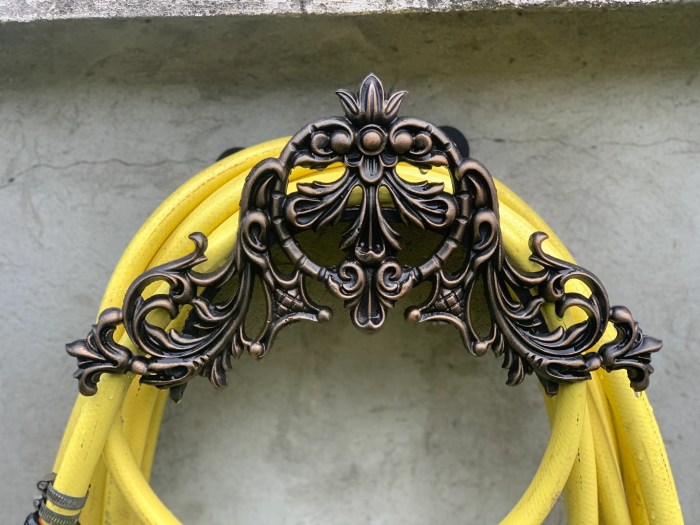
Strategic placement of a hose holder in a Japanese garden is paramount to preserving its aesthetic harmony. The holder, though a functional necessity, must seamlessly integrate into the pre-existing landscape design, respecting the principles of minimalism, natural materials, and subtle beauty that define the style. A poorly integrated hose holder can detract from the tranquility and serenity sought in these meticulously crafted environments.The integration of a hose holder must be considered as an extension of the garden’s overall design, not an afterthought.
This requires careful consideration of its relationship with the existing elements of the garden, including rocks, plants, and pathways, to ensure visual unity. The holder should not dominate the space, but rather complement the surrounding features, emphasizing the garden’s inherent beauty.
Strategic Placement Considerations
A thoughtfully placed hose holder contributes to the garden’s visual appeal, not detracts from it. This is achieved by aligning the holder with the natural contours of the landscape and the arrangement of other garden elements. The holder should not stand out as a jarring object, but rather blend with the surrounding environment. It’s crucial to select a location that minimizes disruption to the overall design and maintains the delicate balance of the garden’s composition.
Integration with Existing Elements
The hose holder’s interaction with other garden elements is critical for maintaining the aesthetic. Rocks, for example, can serve as natural anchors for the holder, providing a visual connection to the surrounding environment. Planting arrangements can be used to screen the holder, making it less noticeable and more integrated. Paths and walkways should be considered during placement, avoiding obstructions and ensuring ease of access while maintaining a clear line of sight.
Examples of Strategic Positioning
One example involves situating the hose holder adjacent to a carefully placed rock formation, allowing the rock to mask the holder. Another example might see the holder integrated within a low stone wall, blending seamlessly with the existing structure. A third example could involve strategically placing the holder behind a group of carefully chosen plants, concealing it from direct view while allowing for easy access.
Visual Harmony and Placement Scenarios
| Placement Scenario | Description | Visual Harmony |
|---|---|---|
| Hidden behind a rockery | The hose holder is positioned behind a carefully curated arrangement of rocks, minimizing its visibility. | High; the rockery creates a natural screen, masking the holder. |
| Integrated into a low stone wall | The holder is incorporated into a low stone wall, becoming an integral part of the structure. | High; the holder blends seamlessly with the existing wall. |
| Concealed by a grouping of shrubs | The hose holder is placed behind a carefully chosen grouping of shrubs, creating a natural barrier. | Medium; shrubs provide visual screening, but the placement must not disrupt the flow of the garden. |
| Positioned beside a water feature | The hose holder is located near a water feature, such as a small pond or fountain, enhancing the overall tranquility. | High; the water feature creates a soothing atmosphere, complementing the holder’s presence. |
Color Palette and Visual Harmony
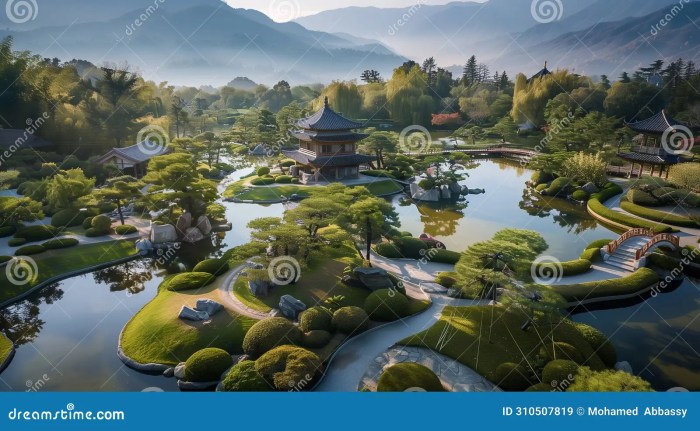
Japanese gardens, renowned for their serene beauty, utilize a carefully curated color palette to evoke a sense of tranquility and harmony with nature. This delicate balance extends to the integration of hose holders, requiring a thoughtful consideration of hues that complement the existing garden aesthetic rather than clashing with it. The selection of colors for hose holders is crucial to achieving the desired visual impact.Choosing colors for a hose holder in a Japanese garden is not about arbitrary selection; it’s about selecting hues that reinforce the garden’s overall mood and symbolism.
A harmonious aesthetic is created when the hose holder’s color blends seamlessly with the garden’s existing color scheme, rather than standing out as a jarring element. This subtle integration enhances the visual appeal and strengthens the garden’s overall ambiance.
Colors Associated with Japanese Aesthetics
Japanese aesthetics frequently utilize a muted color palette inspired by nature. Greens, browns, grays, and subtle blues are common, evoking the natural beauty of the surrounding landscape. These colors often complement the traditional materials used in Japanese gardens, such as stone, wood, and bamboo. Colors like deep moss green, charcoal gray, and muted browns are deeply ingrained in the cultural aesthetic.
For instance, the deep green of a mature bamboo grove, or the weathered gray of ancient stones, evoke a sense of timelessness and connection with nature.
Selecting Colors for Hose Holders
Selecting colors for hose holders that blend seamlessly with a Japanese garden requires a nuanced approach. The hose holder should act as a subtle accessory, not a focal point. Consider the existing color palette of the garden when choosing a color for the hose holder. If the garden predominantly uses muted earth tones, a similar palette for the hose holder is ideal.
If the garden features a more vibrant color scheme, a hose holder in a muted tone will still ensure a harmonious blend.
Color Palette Examples
Here are some examples of color palettes that effectively integrate a hose holder into a Japanese garden, with consideration of their respective symbolism:
- Muted Earth Tones: A hose holder in a rich, deep brown or a muted gray would blend seamlessly with a garden featuring stone lanterns, moss-covered rocks, and dark-brown wood structures. This palette emphasizes the natural elements and creates a calming atmosphere.
- Subtle Greens and Browns: A hose holder in a deep moss green or a weathered brown will work well in a garden featuring various shades of green from foliage and plants. This choice reinforces the natural theme and enhances the garden’s overall serenity.
- Gray and Charcoal Accents: A hose holder in a charcoal gray or a light gray would be suitable for a garden with a mix of stone features and darker-toned foliage. This palette creates a sense of tranquility and sophistication.
Creating a Color Combination Table
A well-structured table can effectively illustrate the color combinations for hose holders in various garden settings. Such a table should categorize garden settings based on their dominant color schemes, and suggest complementary colors for hose holders that ensure a seamless visual integration.
| Garden Setting | Dominant Colors | Suggested Hose Holder Colors |
|---|---|---|
| Woodland Garden | Muted greens, browns, and grays | Moss green, charcoal gray, deep brown |
| Stone Garden | Gray, beige, and brown | Gray, light beige, dark brown |
| Water Garden | Greens, blues, and grays | Deep green, muted blue, gray |
Natural Elements and Integration
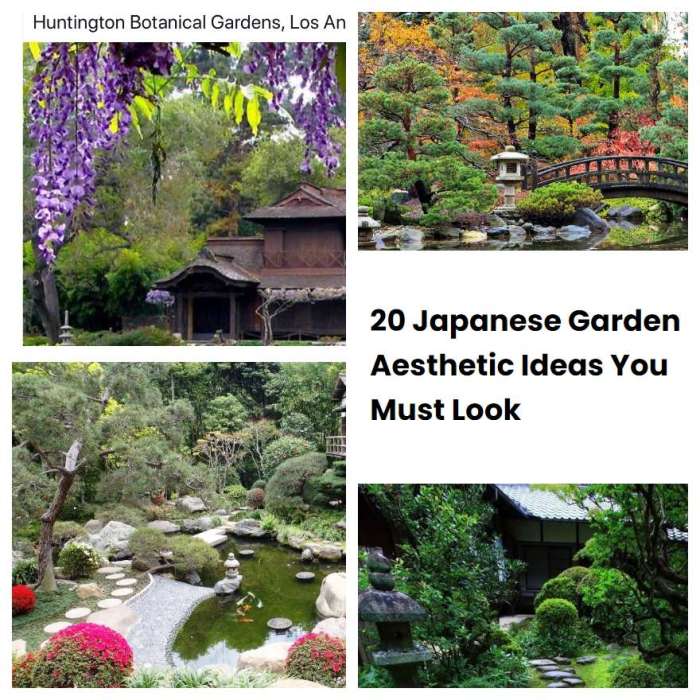
Harmonizing a Japanese garden hose holder with its surroundings necessitates a deep understanding of the interplay between natural elements and design. This integration is not merely cosmetic; it’s fundamental to the aesthetic, reflecting the garden’s inherent connection to nature. The holder should seamlessly blend into the landscape, not stand out as an intrusive object.Integrating natural elements fosters a sense of tranquility and connection to the environment, mirroring the principles of Japanese aesthetics.
The subtle, almost invisible presence of the hose holder is key, enhancing the overall visual harmony. The holder’s materials, form, and placement must work in concert with the garden’s existing features, respecting the established flow and balance.
Material Considerations
Careful material selection is critical for a hose holder that blends with the garden’s natural elements. Materials like weathered wood, stone, or subtly stained concrete are preferable to stark, modern materials. The use of these materials not only complements the garden’s aesthetic but also adds longevity and visual appeal. A hose holder constructed from locally sourced, natural materials strengthens the connection to the surrounding environment.
Form and Function
The form of the hose holder should echo the surrounding landscape’s curves and contours. Organic shapes, rather than geometric ones, are often more suitable. For instance, a holder sculpted to resemble a rock formation or a cluster of bamboo would create a more harmonious integration. This approach allows the holder to function as a natural extension of the garden, rather than an intrusive addition.
Plant Integration
Plants play a vital role in seamlessly integrating the hose holder into the garden. They can act as a visual buffer, softening the line between the holder and the surrounding greenery. Strategically placed plants, like low-growing shrubs or creeping vines, can frame the holder, drawing the eye towards the natural beauty of the garden. This integration also adds to the overall vitality and dynamism of the space.
Examples of Integration
- A hose holder crafted from weathered cedar planks, subtly stained to match the surrounding wooden garden features, seamlessly integrates with the landscape.
- A stone hose holder, shaped like a natural rock outcropping, blends with the garden’s existing stone features, minimizing visual disruption.
- A holder constructed from a cluster of bamboo, meticulously interwoven, offers a natural, organic form that aligns perfectly with the garden’s aesthetic, complementing the existing bamboo features.
Natural Element Integration Table
| Natural Element | Description | Integration Strategy | Example |
|---|---|---|---|
| Wood | Weathered, locally sourced wood, like cedar or pine. | Use wood tones that harmonize with the existing wood features. Consider staining or weathering techniques. | A hose holder crafted from weathered cedar planks, subtly stained to match the surrounding wooden garden features. |
| Stone | Naturally occurring stones, in various shapes and sizes. | Shape the holder to mimic natural rock formations. Choose stones that complement the existing stone features. | A stone hose holder, shaped like a natural rock outcropping, blending with the garden’s existing stone features. |
| Plants | Low-growing shrubs, creeping vines, or ground cover. | Use plants to frame the hose holder, creating a visual buffer. | Strategically placed plants, like low-growing shrubs or creeping vines, framing the hose holder, softening the line between the holder and the surrounding greenery. |
Hose Holder Design Ideas
Cultivating a Japanese garden requires meticulous attention to detail, and the integration of water management systems is no exception. Effective hose holders must seamlessly blend into the overall aesthetic, reflecting the principles of simplicity, naturalism, and harmony. These designs prioritize the beauty of the elements while ensuring practical functionality.
Hose Holder Design 1: The Cascading Stream
This design evokes the gentle flow of a natural stream. The hose holder is constructed from weathered, dark gray-brown stained wood, carefully sculpted to resemble a miniature waterfall. The wood’s aged appearance harmonizes with the surrounding garden’s natural textures. The hose itself is routed through channels carved into the wood, creating a subtle, cascading effect. This design is best integrated into a corner of the garden, complementing the natural slope of the landscape.
Visualize a small, flowing waterfall, with the hose appearing as an extension of the water’s path.
Hose Holder Design 2: The Hidden Bamboo
This design emphasizes subtlety and integration with the garden’s natural elements. The hose holder is constructed from light gray, split bamboo sections, woven together to create a discreet, yet sturdy, structure. The light color of the bamboo blends seamlessly with the foliage and undergrowth, allowing the hose to be practically concealed. The bamboo’s natural curvature complements the garden’s organic forms.
Imagine a series of bamboo poles, woven intricately to form a holder for the hose, practically disappearing into the foliage.
Hose Holder Design 3: The Stone Terrace
This design showcases a serene and balanced aesthetic, inspired by traditional Japanese stone gardens. The hose holder is crafted from smooth, polished river stones, arranged in a staggered, natural pattern. The stones’ earthy tones and varied textures create a sense of natural harmony. The hose is routed beneath the stones, concealed beneath the surface. This design is ideal for a flat, open area, providing a tranquil focal point.
Envision smooth, river stones, carefully placed to form a low terrace-like structure, hiding the hose beneath the stones.
Table Design Concept
The table displaying the three hose holder designs should reflect the aesthetic of a traditional Japanese tea ceremony. A low, rectangular table made from natural wood, such as cherry or maple, is the ideal choice. The table’s surface should be lightly oiled or waxed to preserve its natural beauty. The hose holders should be displayed on the table’s surface, showcasing their unique forms and textures.
Small, carefully chosen decorative items, such as miniature raked gravel gardens, or subtly-colored ceramic vases, can enhance the display. The overall color palette should remain muted and earthy, in harmony with the hose holders’ design. The table’s positioning within the garden should be in a quiet, secluded area, to emphasize the tranquility of the design display.
Maintenance and Longevity of the Hose Holder
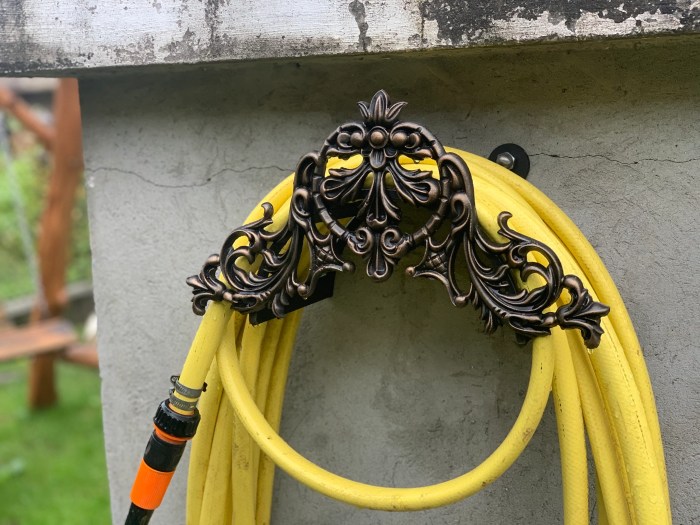
Ensuring the longevity and aesthetic appeal of a Japanese garden hose holder is crucial for maintaining the overall harmony of the space. Proper maintenance not only preserves the beauty of the holder but also extends its lifespan, preventing premature deterioration and costly replacements. This meticulous care aligns with the fundamental principles of Japanese aesthetics, emphasizing the appreciation of natural processes and the enduring quality of craftsmanship.Careful selection of materials and thoughtful installation are critical for long-term success.
The interplay of these factors significantly impacts the holder’s ability to withstand the elements and retain its visual appeal over time. Methods for preserving the aesthetic and structural integrity of the holder are integral to the overall maintenance plan.
Material Selection and Longevity
The longevity of a Japanese garden hose holder is intrinsically linked to the chosen materials. Natural materials like wood, stone, or ceramic, when properly treated, offer exceptional durability. However, they also require consistent upkeep to prevent decay, rot, or discoloration. Metal options, such as stainless steel or copper, are inherently resistant to corrosion but may still require occasional cleaning to maintain their luster.
Synthetic materials, while often low-maintenance, might not always endure extreme weather conditions or exhibit the same aesthetic appeal as natural alternatives.
Aesthetic Maintenance Strategies
Preserving the aesthetic appeal of the hose holder over time involves a combination of proactive and reactive measures. Regular cleaning is essential to remove accumulated dirt, grime, and debris, which can cause discoloration or damage over time. Protecting the holder from harsh weather conditions, like intense sunlight or heavy rain, is equally important. Using appropriate protective coatings or covers can significantly extend the life of the holder and maintain its visual appeal.
Practical Maintenance Strategies
Maintaining the visual appeal of the garden is intrinsically linked to the proper maintenance of the hose holder. Different materials demand specific strategies for upkeep. Wood, for instance, may require periodic sealing with natural oils or varnishes to prevent moisture damage and maintain its rich tone. Stone or ceramic holders might benefit from occasional washing with mild soap and water to remove surface contaminants.
Metal holders can be cleaned with a non-abrasive cleaner to maintain their shine. Synthetic materials often require minimal maintenance, but checking for any signs of degradation is still crucial.
Maintenance Requirements Table
| Hose Holder Design | Material | Cleaning Frequency | Protective Measures | Specific Maintenance |
|---|---|---|---|---|
| Wooden Holder | Wood | Monthly | Regular oiling or varnishing | Inspect for cracks or rot |
| Stone Holder | Stone | Bi-monthly | Cover during harsh weather | Clean with mild soap and water |
| Metal Holder | Stainless Steel | Quarterly | Protect from rust | Wipe with a non-abrasive cleaner |
| Ceramic Holder | Ceramic | Monthly | Cover during harsh weather | Clean with mild soap and water |
| Synthetic Holder | Plastic/Resin | As needed | No special protection needed | Inspect for damage |
Hose Holder and Practicality
A well-designed hose holder transcends mere aesthetics; it must seamlessly integrate practicality into its form. Balancing visual appeal with the demands of modern garden maintenance is crucial. A functional hose holder ensures effortless access and storage, preventing tangles and maximizing the efficiency of outdoor watering tasks. This section delves into the essential factors that elevate a hose holder beyond a decorative element.
Factors for Modern Functionality
Modern hose holders must adapt to the needs of busy lifestyles and evolving gardening practices. Durability, ease of use, and efficient storage are paramount. Heavy-duty materials resistant to weather and wear are preferred, ensuring longevity and reliability. Adjustable mechanisms allow for versatile hose placement and accommodate different hose types. Integrated features, such as built-in hooks or straps, facilitate quick and easy attachment to a wall, fence, or other structures, minimizing clutter.
Hose Storage and Accessibility
Effective hose storage is pivotal to functionality. The holder should accommodate the full length of the hose without causing kinks or strain. Consideration should be given to the angle and placement of the hose within the holder, minimizing friction and potential damage. Accessibility is key. The hose should be easily accessible without having to wrestle with tangled or tightly wound lengths.
A well-designed holder should facilitate a smooth and quick retrieval process.
Examples of Balanced Design
Numerous hose holders strike a harmonious balance between aesthetic appeal and practical function. For instance, a holder crafted from weathered-steel with a sleek, minimalist design offers both durability and a refined appearance. Alternatively, a holder fashioned from woven bamboo, incorporating a cleverly designed winding mechanism, embodies a connection to nature and enhances efficiency. The key is to seamlessly blend the functional demands of hose storage with a pleasing visual impact.
Comparative Analysis of Designs
| Design Type | Functionality | Ease of Use | Aesthetic Appeal |
|---|---|---|---|
| Wall-mounted, retractable | Excellent storage, minimal space required, quick access | Very high, simple mechanism | High, sleek, modern |
| Ground-mounted, winding | Good storage, can accommodate longer hoses | Moderate, needs winding/unwinding | Moderate, natural or rustic |
| Free-standing, basket-style | Good storage, easy access from multiple angles | High, easy to access from all sides | Moderate, depends on design |
This table provides a simplified comparison of different hose holder designs, highlighting their relative strengths and weaknesses concerning functionality and ease of use. The choice depends on individual preferences, garden layout, and hose length.
End of Discussion
In conclusion, the Japanese garden hose holder aesthetic offers a compelling blend of practicality and artistry. By understanding the core principles of Japanese design – simplicity, naturalism, and harmony – homeowners can seamlessly integrate a functional hose holder into their garden, enhancing its visual appeal and overall aesthetic. This guide, from material selection to placement strategies, provides a framework for creating a truly authentic and captivating Japanese garden experience.
